Work that left the design room and made it into the world.
Press features, editorial placements, runway recognition, and a TV interview for material innovation — a record of work that earned attention outside the portfolio.
A portfolio shows what you made. Press shows what landed. This page documents the moments when work moved beyond the design room — into magazine spreads, editorial shoots, runway stages, and a local TV segment that recognized material innovation as newsworthy. These aren't the biggest credits in the industry. But they're early, real, and earned.
Designed to be worn. Recognized for being seen.
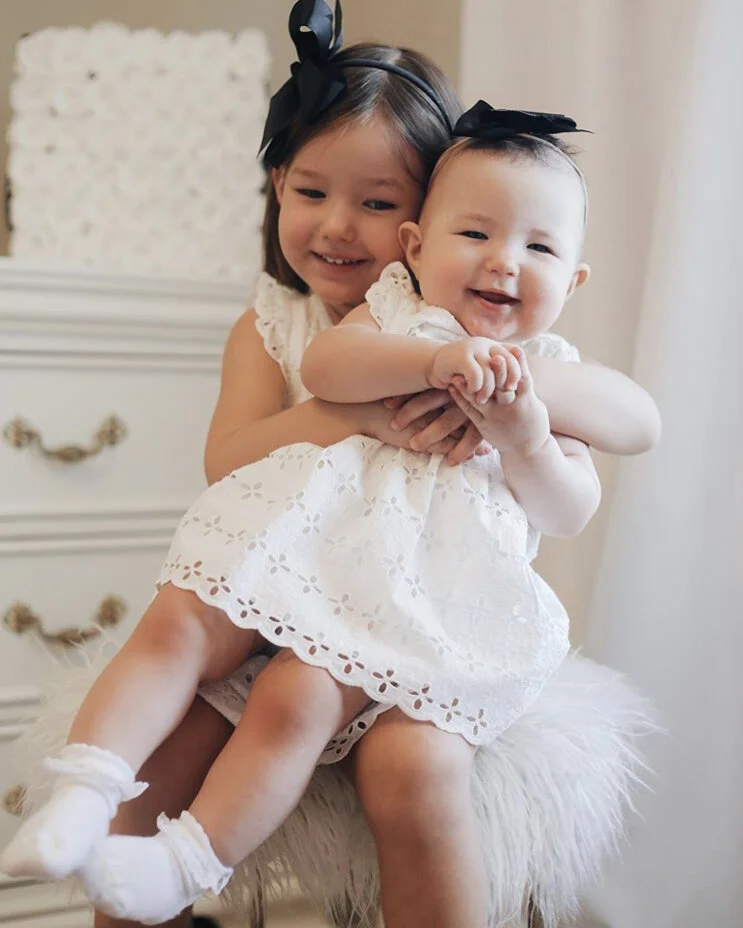
Styles from the Hanna Andersson childrenswear collections I contributed to as Associate Designer were selected for editorial magazine placement — appearing in a published spread that positioned the brand's product in a lifestyle context. Editorial selection at this level is a signal: the design holds up not just on a hanger or a flat, but in the kind of real-world, styled environment that consumers actually respond to.
For a childrenswear line where brand warmth and authenticity are core equity drivers, editorial placement confirms that the design direction was on point — visually distinctive enough to be chosen, emotionally resonant enough to work in print.

Luxury editorial. Resort market. A brand that earned its placement.
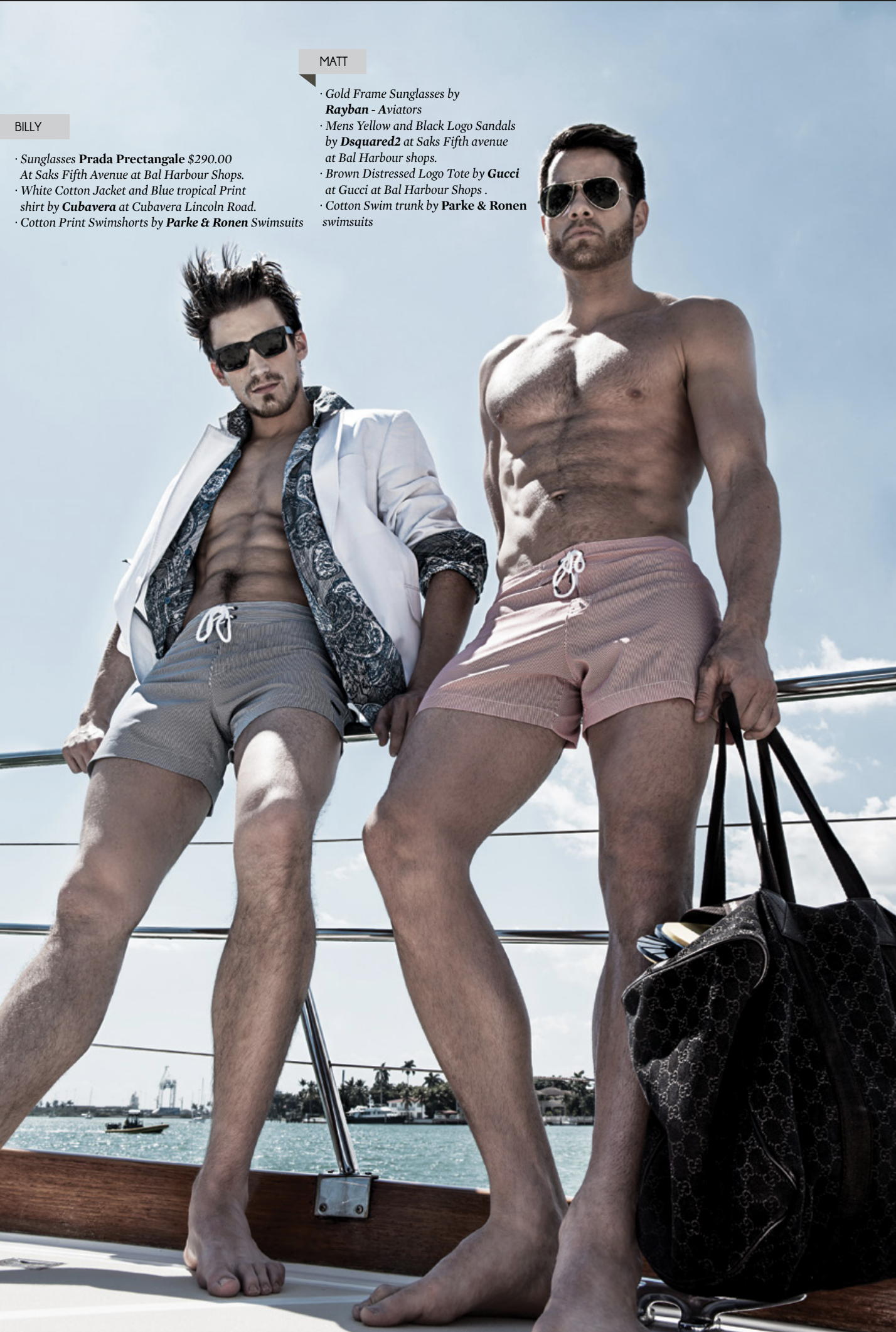
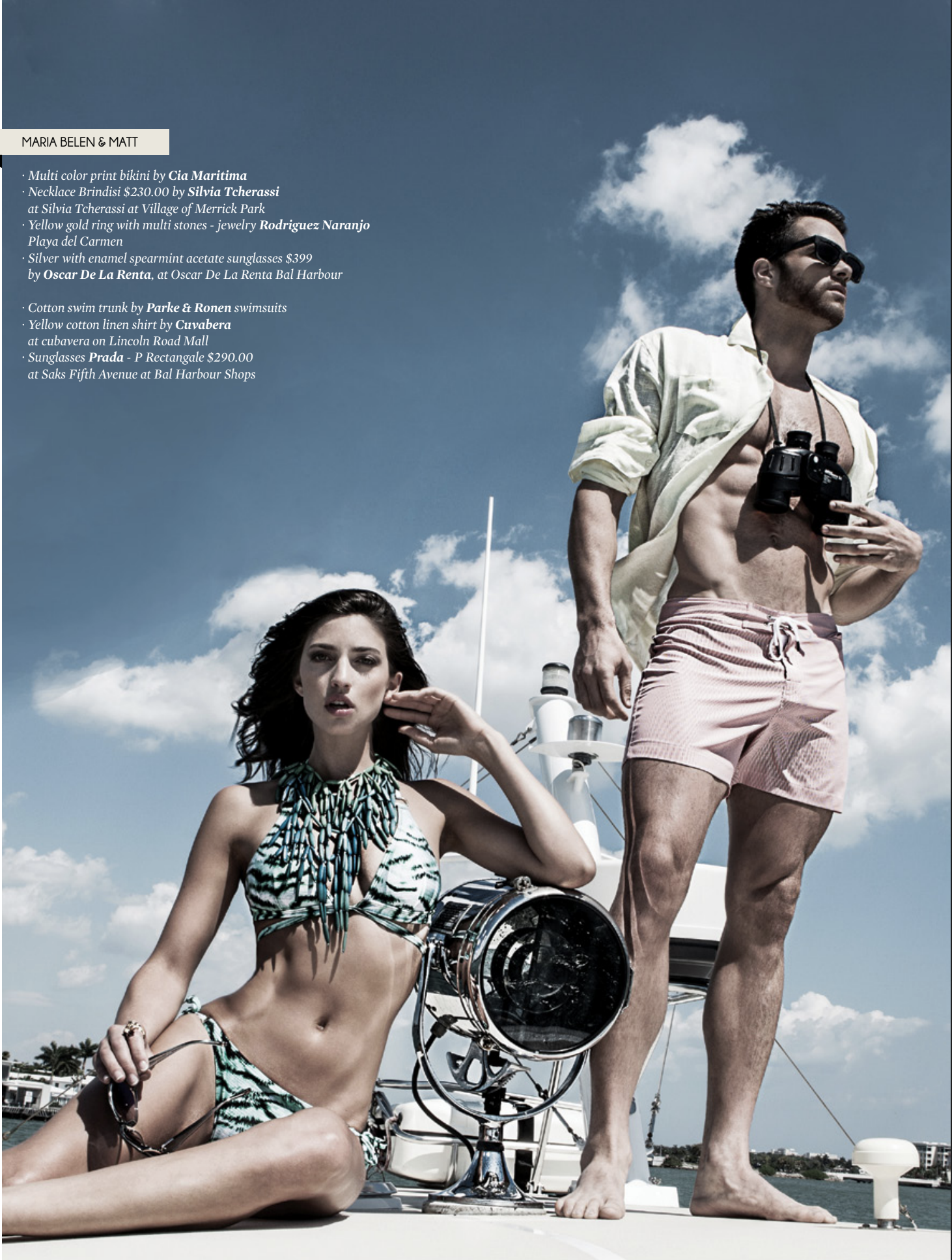
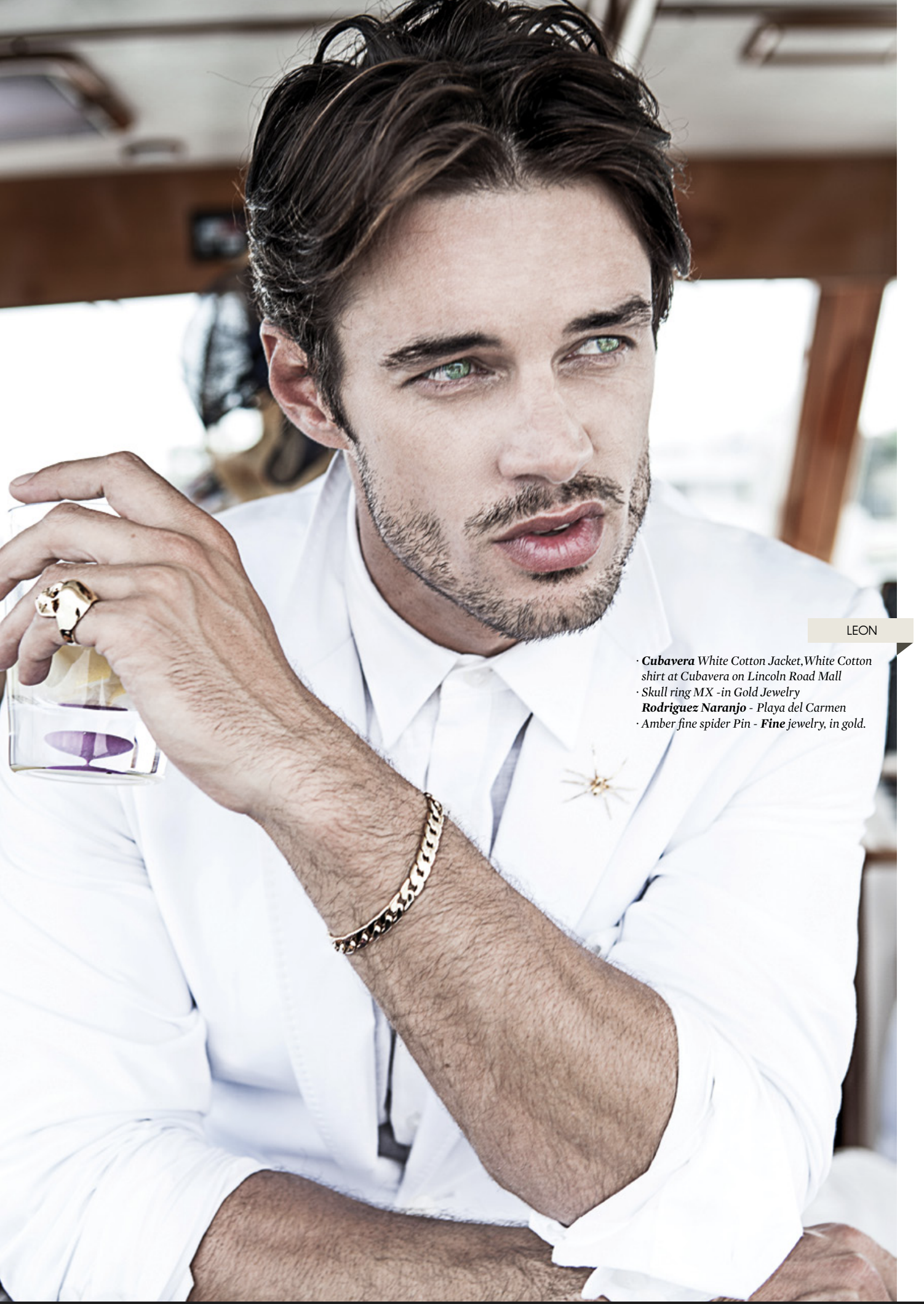
Cubavera linen and swim designs I contributed to as Associate Designer were featured in Bal Harbour Magazine — one of Miami's premier luxury lifestyle publications, serving one of the most affluent resort markets in the United States. Bal Harbour isn't a trade publication or a regional lifestyle blog. It's the magazine sitting in the lobbies of the Shops at Bal Harbour, reaching a consumer with real purchasing power and elevated taste expectations.
Getting product into that editorial context means the design direction was credible at a luxury level — that the color, the fabrication, the silhouette, and the overall aesthetic held up against a high standard. For men's resort and lifestyle product, there is no more relevant validation in the Miami market.


When material innovation gets noticed, it gets covered.

In a fashion show around 2009–2010, I presented a look built on a material process I developed independently: hand-printed fabric, layered with draped silk to create a dramatic, fluid silhouette that moved differently from anything else on the runway that night. The technique — printing directly onto fabric by hand, then constructing with silk to achieve a specific weight and movement — was an early demonstration of the materials-first thinking that has defined my design process ever since.
A local Miami TV station covered the show and sought out an interview specifically because of the fabrication innovation. Not the styling. Not the silhouette. The material process. That interview is an early marker of something that has only deepened over time: a design approach where material choice isn't decoration — it's the foundation every other decision is built on.


Materials-first thinking. Recognized before it became the industry standard to talk about it.
The Monica Pozo collection was my fashion school final — a men's collection presented on a full runway stage that served as both a creative thesis and a proof of concept. The work was recognized beyond the classroom: selected for coverage in a local Miami magazine during Miami Fashion Week, placing a student collection alongside established designers in a real press context.
The men's looks that walked that runway reflected an instinct for sharp tailoring, strong silhouette, and a point of view that didn't hedge. Leather, structured fabrications, and a dark, confident color story — product that looked like it belonged in a showroom, not a student exhibition. The magazine feature confirmed it.
This is where the foundation was built. Every design discipline that shows up in the commercial work — fit rigor, material intention, color confidence, the ability to make a man look like himself at his best — started here, under a name that was just beginning to mean something.
A first collection. A runway. A magazine. The beginning of a design point of view.

